
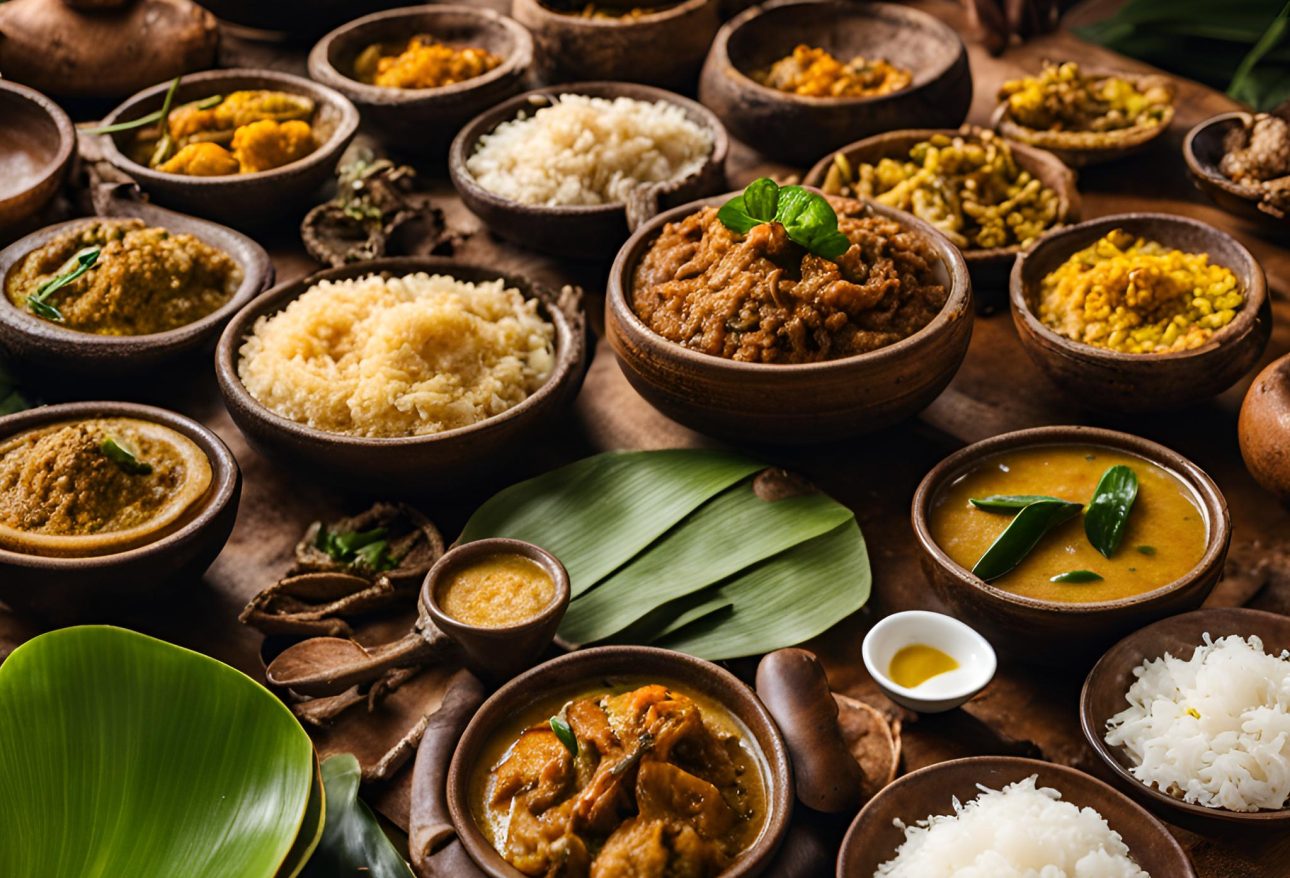
Sri Lankan cuisine remains one of the world’s best-kept culinary secrets. While Thai, Indian, and Vietnamese food have achieved global fame, Sri Lankan cooking—equally complex, flavorful, and diverse—has somehow flown under the international radar. This works in your favor. Visit Sri Lanka, and you’ll discover an authentic food culture unspoiled by adaptation to Western palates, where every meal tells a story of the island’s history, geography, and soul.
The Building Blocks of Sri Lankan Flavor
Understanding Sri Lankan cuisine begins with its unique spice profile. While sharing some ingredients with Indian cooking, Sri Lankan food carves its own distinct identity.
Coconut reigns supreme: Nearly every Sri Lankan dish incorporates coconut in some form—milk, oil, or freshly grated. The rich, sweet creaminess balances the island’s bold spices and heat.
Roasted curry powder: Unlike Indian curry powders, Sri Lankan versions feature roasted spices (coriander, cumin, fennel, fenugreek) that impart a deeper, more complex flavor. Each household has its own blend, and the roasting process is considered an art form.
Cinnamon connection: Sri Lanka produces the world’s finest cinnamon. True Ceylon cinnamon, softer and sweeter than cassia (what most of the world calls cinnamon), features prominently in both savory and sweet dishes.
Heat with complexity: Sri Lankan food can be fiery, but it’s never one-dimensional. The heat comes from multiple chili varieties, balanced by sour (tamarind, goraka), sweet (palm sugar, jaggery), and aromatic (curry leaves, pandan, lemongrass) elements.
Rice as foundation: Rice isn’t just an accompaniment—it’s the centerpiece of every meal, with curries, sambols, and accompaniments designed to complement its flavor and texture.
Rice and Curry: The Soul of Sri Lankan Dining
When Sri Lankans say “rice and curry,” they’re not referring to a single dish but an entire meal philosophy. A traditional rice and curry spread includes rice (often red rice, more nutritious than white), a main curry (fish, chicken, pork, or beef), several vegetable curries, dhal (lentils), sambols (spicy condiments), and papadums (crispy lentil wafers).
The beauty lies in variety and balance. Each curry offers different flavors and textures. Potato curry might be mild and creamy, while okra curry provides a slight gelatinous texture and spicy kick. Beetroot curry adds sweetness and color. Together, they create a harmonious meal where each bite can be different depending on which combinations you choose.
How to eat: Use your right hand (left hand is considered unclean in Sri Lankan culture). Mix rice with the curries of your choice, creating new flavor combinations with each mouthful. Don’t be shy about the amount of curry—the rice is meant to be thoroughly mixed and seasoned.
Where to try it: While hotels serve rice and curry, the authentic experience comes from local restaurants or home-cooked meals. In Colombo, try Nuga Gama or Upali’s. Throughout the country, ask your Lush Lanka Tours guide to recommend local spots serving genuine home-style cooking.
Must-Try Sri Lankan Dishes
Hoppers (Appam)
These bowl-shaped pancakes made from fermented rice flour and coconut milk are Sri Lanka’s most iconic breakfast food. Plain hoppers feature crispy, lacy edges and a soft center. Egg hoppers add an egg cracked into the center, creating a delicious combination of textures.
String hoppers (idiyappam) offer a different take—steamed rice noodles pressed into flat circles, served with coconut milk, dhal curry, and sambols. Light yet filling, they’re particularly popular for breakfast or dinner.
Pro Tip: The edges should be paper-thin and crispy. If they’re thick and doughy, the batter wasn’t properly fermented or the pan wasn’t hot enough.
Kottu Roti
Late-night street food doesn’t get better than kottu. Chopped roti (flatbread) is stir-fried on a hot griddle with vegetables, eggs, and your choice of meat or seafood. The rhythmic clanging of metal blades chopping and mixing ingredients creates a percussive symphony that draws crowds.
Each kottu cook develops their own signature style and rhythm. The finished product—a savory, slightly spicy mixture served with a side of curry sauce—is comfort food perfection. Colombo’s Galle Face Green offers numerous kottu stalls, each claiming to serve the best. Our advice: try several and decide for yourself.
Lamprais
This Dutch Burgher (mixed European-Sri Lankan heritage) dish showcases the island’s colonial influence. Rice cooked in stock is accompanied by frikkadels (meatballs), blachang (shrimp paste), ash plantain curry, and brinjal (eggplant) pickle, all wrapped in a banana leaf and baked. The banana leaf imparts a subtle flavor while keeping everything moist.
Originally created for the Dutch community, lamprais has become beloved across Sri Lanka. It’s traditionally a Sunday dish, and many restaurants only serve it on weekends.
Fish Ambul Thiyal
This sour fish curry from the southern coast represents Sri Lankan cuisine at its most distinctive. Fish (typically tuna) is cooked with goraka (garcinia cambogia, a souring fruit), black pepper, and spices until the liquid reduces to a thick, almost dry consistency. The result is intensely flavorful, with complex sour notes balanced by aromatic spices.
Because the dish requires no refrigeration, it was historically prepared by fishermen who needed food that would keep during long trips. Today, it’s considered a delicacy and features prominently in southern Sri Lankan cuisine.
Pol Sambol
This coconut sambol—freshly grated coconut mixed with red chili powder, red onions, lime juice, and salt—accompanies nearly every Sri Lankan meal. It’s spicy, tangy, and addictively good. Watching it being made in a traditional wooden mortar and pestle, with the rhythmic grinding creating a fine paste, is hypnotic.
Variations include lunu miris (a similar sambol without coconut) and katta sambol (a Jaffna Tamil version made with dried chilis). Each has its devotees, and friendly arguments about which is best are common.
Watalappan
Sri Lankan dessert tends toward the sweet, and watalappan represents the pinnacle. This coconut custard pudding, spiced with cardamom and nutmeg, sweetened with jaggery (palm sugar), achieves silky smoothness that melts on the tongue. The subtle spicing prevents it from being cloying despite its sweetness.
With Malay origins, it’s popular among Sri Lankan Muslims and has spread throughout the island. The best versions balance sweetness with spice and achieve a texture somewhere between flan and panna cotta.
Regional Specialties
Sri Lanka’s cuisine varies significantly by region, influenced by local ingredients, climate, and cultural communities.
Jaffna Tamil Cuisine
In the northern peninsula, Jaffna Tamil cooking stands distinct from the Sinhalese majority’s cuisine. It features less coconut milk and more use of palmyra palm products. Dishes tend to be spicier and showcase influences from South India.
Must-try Jaffna specialties: crab curry (even spicier than southern versions), kool (a seafood stew), and mutton rolls (a pastry filled with spiced minced mutton).
Burgher Cuisine
The Dutch Burgher community created fusion dishes that marry European cooking techniques with local ingredients. Beyond lamprais, try breudher (Dutch Christmas cake, rich with candied fruit and cashews) and love cake (a dense, almond-semolina cake).
Muslim/Malay Cuisine
Sri Lanka’s Muslim community, particularly descendants of Arab traders and Malay settlers, contributed unique dishes. Biriyani (Sri Lankan style features saffron rice, meat, and hard-boiled eggs, all fragrant with spices) and wattalappan exemplify this tradition.
Street Food Adventures
Some of Sri Lanka’s best food comes from roadside stalls and street vendors.
Isso Wade (Shrimp Fritters): Lentil batter mixed with onions and whole shrimp, deep-fried to crispy perfection. Sold from glass boxes on street corners, usually still warm.
Kavum: Deep-fried sweets made from rice flour and treacle, shaped like flowers. Traditionally prepared for Sinhala New Year but available year-round from street vendors.
Short Eats: An umbrella term for savory snacks served at local bakeries and tea shops. Include Chinese rolls (fried pastry with spiced vegetable filling), cutlets (spiced potato patties coated and fried), and patties (pastry shells filled with fish, chicken, or vegetables).
Fresh Fruit: Street vendors sell tropical fruits you’ve likely never encountered—rambutan (hairy red fruits with sweet translucent flesh), mangosteen (the “queen of fruits”), wood apples (hard shells containing sweet-sour pulp), and numerous mango varieties.
The Tea Culture
In a nation that produces world-class tea, the beverage culture is surprisingly egalitarian. From five-star hotels to roadside stalls, everyone drinks tea—though styles differ.
Milk Tea: Black tea brewed strong with milk and sugar. At local tea shops, it’s often poured from height between two containers to cool it and create froth.
Plain Tea: Just tea and water, though even this usually comes fairly strong. Request “weak” if you prefer a gentler brew.
Kiri Tea: Tea with condensed milk—incredibly sweet but beloved by locals.
Tea accompanies every social interaction, from business meetings to casual visits. Refusing tea can be seen as impolite, though hosts will usually understand if you explain you’ve already had several cups that day.
Market Experiences
Visiting local markets offers insight into Sri Lankan food culture while providing opportunities to try fresh produce and snacks.
Pettah Market (Colombo): A sensory overload of spices, produce, dried fish, and kitchen implements. The spice section’s aromas alone justify the visit.
Kandy Market: Smaller and more manageable than Pettah, with excellent fruit and vegetable selections plus local snacks.
Galle Fort Market: Combines produce with tourist-oriented products, but still authentic in its core offerings.
Morning Fish Markets: Coastal towns like Negombo host early morning fish auctions and markets where the day’s catch is sold. The variety of seafood—from small silver fish to massive tuna—is staggering.
Cooking Classes: Learning the Secrets
Several locations offer cooking classes that transform passive eating into active understanding.
Classes typically begin with market visits to select ingredients and learn about spices. Back in the kitchen (often outdoor, over wood fires for authenticity), you’ll learn to roast and grind curry powder, prepare sambols, and cook multiple curries.
The revelation comes in understanding how seemingly simple techniques—roasting spices at the right temperature, balancing coconut milk and spices—create complex flavors. Plus, you leave with recipes and skills to recreate Sri Lankan meals at home.
Recommended: Cooking classes in Galle (several providers in the fort), Colombo (various cooking schools), or through homestays arranged by Lush Lanka Tours.
Dining Etiquette
Hand washing: Traditional restaurants provide wash basins before and after meals. Always use your right hand for eating.
Pace: Sri Lankan meals aren’t rushed. Take time to enjoy the variety of flavors.
Sharing: Food is communal by nature. Even in restaurants, Sri Lankans often order multiple dishes and share.
Spice levels: Don’t be ashamed to request less spice. Saying “medium spicy” or “not too spicy” is perfectly acceptable.
Tipping: 10% is standard in restaurants, though small local eateries don’t expect tips.
Why Explore Sri Lankan Cuisine with Lush Lanka Tours?
Our guides don’t just know what to eat—they know where locals eat. We’ll introduce you to family-run restaurants that have perfected their signature dishes over generations, street food vendors whose kottu has achieved legendary status, and home cooks willing to share their culinary secrets.
We also understand that adventurous eating requires some guidance. Which street stalls maintain high hygiene standards? Which restaurants serve authentic flavors rather than tourist-adapted versions? How spicy is “not too spicy”? Our experience navigating Sri Lanka’s food scene ensures you eat memorably without misadventure.
For food enthusiasts, we can arrange special experiences: visiting spice gardens, meeting traditional potters who make clay cooking vessels, attending cooking demonstrations in village homes, or even joining a local family for a meal.
Beyond Sustenance
Sri Lankan food represents more than sustenance—it embodies hospitality, community, and cultural pride. Sharing a meal with Sri Lankans, whether in a home or restaurant, offers genuine connection beyond tourist experiences.
The act of eating rice and curry with your hand, mixing flavors to your preference, creates intimacy with the food. The spices that seem overwhelming on first encounter gradually reveal their complexity. The rhythm of hopper-making, the sound of kottu preparation, the careful grinding of pol sambol—these are the sounds and rhythms of Sri Lankan life.
Ready to embark on your Sri Lankan culinary adventure? Contact Lush Lanka Tours today. We’ll guide you from street food stalls to traditional restaurants, from market spices to home-cooked meals. Your taste buds are in for the journey of a lifetime. Let’s eat!