When travelers think of Sri Lanka, pristine beaches and lush tea plantations often come to mind. But venture inland, and you’ll discover the Cultural Triangle—a treasure trove of ancient kingdoms, sacred temples, and archaeological wonders that tell the story of a civilization spanning over 2,000 years.
What is the Cultural Triangle?
The Cultural Triangle is a region in north-central Sri Lanka that encompasses three major ancient cities: Anuradhapura, Polonnaruwa, and Kandy. Add to this the iconic rock fortress of Sigiriya and the cave temples of Dambulla, and you have one of the most historically rich areas in all of Asia.
Sigiriya: The Lion Rock Fortress
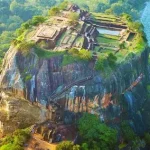
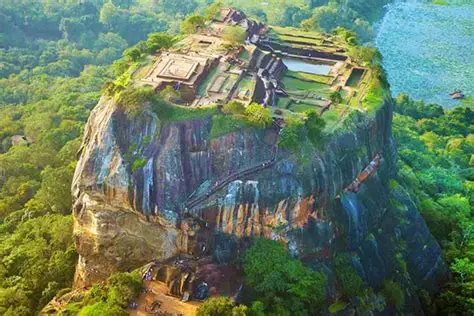
Your journey should begin at Sigiriya, the 5th-century rock fortress that rises dramatically 200 meters above the surrounding jungle. King Kashyapa built this incredible citadel as both a palace and defensive stronghold. The climb to the summit involves navigating ancient staircases and passing the famous frescoes of the “Sigiriya Maidens”—vibrant paintings that have survived centuries.
The summit rewards you with breathtaking panoramic views and the remains of what was once an opulent palace complex. The Mirror Wall, originally so polished that the king could see his reflection, now bears ancient graffiti from visitors dating back over a thousand years.
Insider Tip: Arrive at sunrise to avoid crowds and experience the fortress in the soft morning light. The heat can be intense later in the day.
Dambulla: The Golden Temple Cave Complex
Just a short drive from Sigiriya lies Dambulla, home to the largest and best-preserved cave temple complex in Sri Lanka. Five caves carved into a massive granite outcrop contain over 150 Buddha statues and stunning murals covering 2,100 square meters of cave walls and ceilings.
The artwork spans different periods and artistic styles, creating a visual timeline of Sri Lankan Buddhist art. The centerpiece is a 14-meter reclining Buddha carved from solid rock, its serene expression captivating visitors from around the world.
Polonnaruwa: The Medieval Capital
Polonnaruwa served as Sri Lanka’s capital from the 11th to 13th centuries. Unlike Anuradhapura, the ruins here are more compact and remarkably well-preserved, making it easier to explore in a day.
Don’t miss the Gal Vihara, featuring four magnificent Buddha statues carved from a single granite cliff. The 14-meter reclining Buddha entering Nirvana is considered one of the finest examples of ancient Sinhalese sculpture. The nearby Parakrama Samudra, a massive man-made reservoir built by King Parakramabahu I, showcases the advanced irrigation engineering of the time.
Anuradhapura: The Ancient Sacred City
As Sri Lanka’s first capital and a UNESCO World Heritage site, Anuradhapura holds immense spiritual and historical significance. The city flourished for 1,300 years, from the 4th century BCE.
The highlight is the sacred Sri Maha Bodhi tree, grown from a cutting of the original Bodhi tree under which Buddha attained enlightenment. Planted in 288 BCE, it’s the oldest historically documented tree in the world. Watching pilgrims draped in white making offerings creates a deeply moving experience.
The towering dagobas (stupas), including Ruwanwelisaya and Jetavanaramaya, demonstrate the architectural prowess of ancient Lankan builders. These massive brick domes were once covered in white plaster and would have gleamed across the landscape.
Kandy: The Cultural Capital
While technically outside the main triangle, Kandy serves as the cultural heart of modern Sri Lanka. The Temple of the Sacred Tooth Relic houses what is believed to be Buddha’s tooth, making it one of Buddhism’s most sacred sites.
Visit during the evening puja (prayer ceremony) when devotees crowd the temple amid the beating of drums and the scent of incense. If you’re lucky enough to visit in July or August, the Esala Perahera festival features a spectacular procession with elaborately decorated elephants, traditional dancers, and fire performers.
Planning Your Cultural Triangle Adventure
Duration: Allow 3-5 days to properly explore the Cultural Triangle without rushing.
Best Time to Visit: December to April offers the driest weather. May to September can be pleasant in the hill country around Kandy, though you may encounter occasional afternoon showers.
Getting Around: Hiring a private driver through Lush Lanka Tours provides flexibility and local insights. The sites are spread out, and having an experienced guide enriches the experience immensely.
What to Pack:
- Comfortable walking shoes
- Light, modest clothing that covers shoulders and knees for temple visits
- Sunscreen and hat
- Reusable water bottle
Cultural Considerations: Remember to remove shoes when entering temple grounds, dress modestly, and never turn your back to Buddha statues when taking photos.
Why Choose Lush Lanka Tours?
At Lush Lanka Tours, we understand that these ancient sites aren’t just tourist attractions—they’re living connections to Sri Lanka’s soul. Our expert guides bring history to life with stories passed down through generations. We handle all logistics, from comfortable transportation to skip-the-line access at popular sites, so you can focus on the wonder of discovery.
The Cultural Triangle isn’t just a journey through space but through time itself. Each carved stone, ancient painting, and sacred tree tells the story of a remarkable civilization that achieved extraordinary feats of art, architecture, and spiritual devotion.
Ready to explore Sri Lanka’s ancient heartland? Contact Lush Lanka Tours today to craft your perfect Cultural Triangle adventure. Let us show you the Sri Lanka that exists beyond the guidebooks—authentic, awe-inspiring, and utterly unforgettable.