Sri Lanka may be small, but it packs an extraordinary punch when it comes to wildlife. This island nation boasts one of the highest biodiversity rates in Asia, with elephants, leopards, sloth bears, blue whales, and hundreds of endemic bird species calling it home. For wildlife enthusiasts, Sri Lanka offers safari experiences that rival Africa’s best—minus the crowds and with its own unique island charm.
Why Sri Lanka for Safari?
Unlike the vast savannas of Africa, Sri Lanka’s wildlife thrives in diverse ecosystems—from dry zone forests and grasslands to tropical rainforests and coastal lagoons. This variety means you can spot elephants in the morning, leopards at lunch, and whales by evening. Few places on Earth offer such concentrated wildlife viewing opportunities.
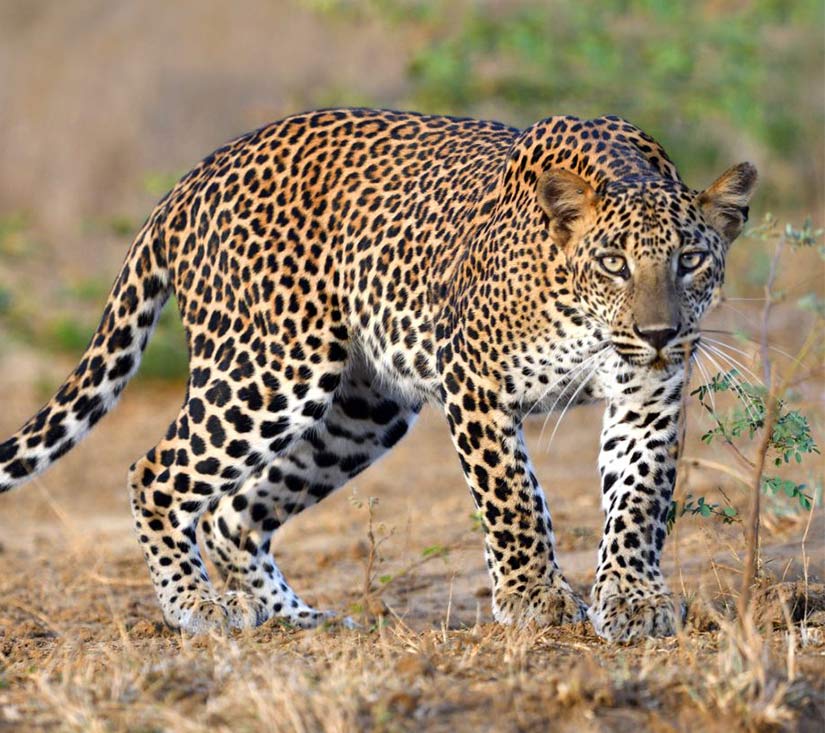
The island is home to the Sri Lankan leopard, a subspecrium larger and more robust than its Indian counterpart. Yala National Park holds the world’s highest density of leopards, giving you better odds of spotting these elusive big cats than almost anywhere else on the planet.
Yala National Park: The Leopard Kingdom
Yala National Park, Sri Lanka’s most visited wildlife reserve, stretches across the dry southeastern coast. Block 1, the most accessible section, offers incredible game viewing year-round.
Here, leopards reign supreme. Unlike their African and Indian cousins, Yala’s leopards are remarkably habituent to safari vehicles, often lounging on rocks or prowling through the scrubland in broad daylight. During the dry season (February to July), when water sources become scarce, leopard sightings increase dramatically as the cats are forced into smaller territories.
But Yala isn’t just about leopards. The park hosts wild elephants, sloth bears, crocodiles, wild boar, spotted deer, and an impressive array of birdlife. The coastal section features pristine beaches where you might spot peacocks strutting along the sand—a uniquely Sri Lankan sight.
Best Time to Visit: February to July for leopard sightings. The park closes during September and October for the monsoon season.
Pro Tip: Early morning safaris (starting at 6 AM) offer the best wildlife viewing. Afternoons can be hot, and animals often rest in shade.
Udawalawe National Park: Elephant Paradise
If elephants are your priority, Udawalawe is unbeatable. This park, centered around the Udawalawe Reservoir, provides habitat for over 600 elephants. Unlike many parks where elephants are elusive, here they’re everywhere—drinking at the reservoir, bathing in mud, and grazing in open grasslands.
The park’s relatively flat terrain and sparse vegetation make wildlife spotting easier than in denser jungles. Besides elephants, you’ll encounter water buffalo, sambar deer, crocodiles, and numerous raptors soaring overhead.
Don’t miss the nearby Elephant Transit Home, where orphaned elephant calves are rehabilitated before being released into the wild. Watching these gentle giants during feeding time, seeing their playful interactions, and learning about conservation efforts adds emotional depth to your safari experience.
Best Time to Visit: Year-round destination, though dry season (May to September) concentrates wildlife near water sources.
Wilpattu National Park: The Hidden Gem
For those seeking a more exclusive, off-the-beaten-path safari experience, Wilpattu delivers. As Sri Lanka’s largest national park, it remained closed for years due to civil conflict and only fully reopened recently. This means fewer crowds and a more pristine wilderness experience.
Wilpattu’s unique “willus” (natural lakes) scattered throughout the park create stunning landscapes and excellent wildlife viewing. The park is home to leopards, sloth bears, elephants, and spotted deer. The thrill here isn’t just the wildlife but the sense of exploring untamed wilderness.
Best Time to Visit: February to October. The park may close during monsoon season.
Minneriya and Kaudulla: The Elephant Gathering
During the dry season (August to September), one of nature’s most spectacular wildlife events unfolds in the Cultural Triangle region. Hundreds of elephants—sometimes up to 300—congregate around the Minneriya and Kaudulla reservoirs in search of water and fresh grass.
Known as “The Gathering,” this phenomenon is considered one of the largest wild Asian elephant gatherings in the world. Watching entire herds—babies, juveniles, and magnificent tuskers—interacting, playing, and feeding together is breathtaking.
Best Time to Visit: August and September for The Gathering. If Minneriya becomes too dry, elephants move to neighboring Kaudulla.
Sinharaja Rainforest: A Biodiversity Hotspot
For a completely different safari experience, venture into Sinharaja, Sri Lanka’s last viable rainforest and a UNESCO World Heritage site. This isn’t about big game but about immersing yourself in one of the world’s most biodiverse ecosystems.
Trekking through Sinharaja with an experienced guide reveals an incredible world: purple-faced langurs leaping through canopy, endemic birds like the Sri Lanka blue magpie and red-faced malkoha, and if you’re fortunate, the rusty-spotted cat—one of the world’s smallest wild felines.
The forest buzzes with life. Lizards, frogs, insects, and butterflies occupy every niche. The experience is less about big sightings and more about appreciating the intricate web of life that tropical rainforests support.
Best Time to Visit: January to April and August to September for drier conditions, though the rainforest lives up to its name year-round.
Marine Safari: Whale and Dolphin Watching
Sri Lanka’s wildlife adventures aren’t confined to land. The waters off Mirissa and Trincomalee offer some of the world’s best whale watching opportunities.
Blue whales, the largest animals to ever exist on Earth, migrate through Sri Lankan waters from November to April. Sperm whales, Bryde’s whales, and various dolphin species are also commonly spotted. Watching a blue whale surface, blowing a fountain of mist into the air, then gracefully diving with its enormous tail flukes breaking the surface, ranks among nature’s most humbling experiences.
Best Time to Visit: November to April for the south coast (Mirissa), May to October for the east coast (Trincomalee).
Planning Your Sri Lankan Safari
What to Bring:
- Binoculars for distant wildlife viewing
- Camera with good zoom capability
- Neutral-colored clothing (avoid bright colors)
- Sunscreen, hat, and sunglasses
- Insect repellent
- Reusable water bottle
Safari Etiquette:
- Maintain silence when near animals
- Never feed wildlife
- Stay in your vehicle unless guides indicate it’s safe
- Respect park rules and wildlife space
Choosing Your Parks: If time is limited, combine Yala (for leopards) with Udawalawe or Minneriya (for elephants). For the ultimate experience, add Sinharaja for rainforest biodiversity and a whale watching excursion.
Why Safari with Lush Lanka Tours?
Our experienced naturalist guides don’t just spot wildlife—they help you understand animal behavior, ecology, and conservation challenges. We use comfortable, well-maintained safari vehicles with roof hatches for optimal viewing and photography.
We know the best times to visit each park, where animals typically congregate, and how to position for the best sightings while respecting wildlife. Our relationships with park authorities mean we can access the best routes and timing for your safari.
Beyond the safari itself, we handle all logistics: park permits, accommodations near park gates (crucial for early morning entries), and seamless transitions between wildlife destinations and other attractions on your Sri Lanka journey.
Sri Lanka’s wildlife experiences offer intimacy that’s increasingly rare in our modern world. Here, nature still thrives, wild elephants roam in herds, leopards stalk through the underbrush, and whales breach in pristine waters.
Ready to embark on your Sri Lankan wildlife adventure? Contact Lush Lanka Tours to design your perfect safari experience. Let us show you the wild side of paradise—where every drive holds the promise of extraordinary encounters.